Morse Engineering and Construction Industries


Recent Posts

Archive

Protect Your Septic System as the Snow Melts

- Friday, March 11, 2022
Morse Engineering and Construction - Septic Tank Care in Winter

Spring is here and the melt has begun! When the snow starts to melt, many individual home sewage treatment systems (septic systems) may become waterlogged or temporarily flooded.

Symptoms:

  • drains running slow
  • toilets not flushing properly
  • water backup into floor drains in the basement

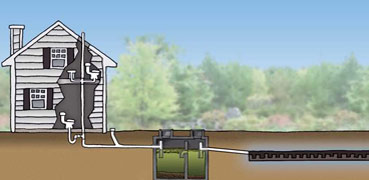
A septic system has two main components: a septic tank that traps and biologically degrades solid waste, and a drainfield that provides additional biological treatment as well as infiltrating the water into the ground. Household water flows from the house sewer system into the septic tank then out to the drainfield. Any situation that prevents or slows down the flow of water through the septic system can cause problems.

Throughout the winter, normal use of water in a house keeps the soil in and around the drainfield and septic tank from freezing. So when the snow starts melting, the water may infiltrate into the drainfield area instead of running off. This can cause a temporary "high water table" which can leak into the septic tank or saturate the drainfield. When this happens, the waste water coming from the house cannot move through the septic system easily.

So you don't have to deal with a mess here are some tips to help your septic system before and during the spring thaw:

  • The first thing to do is make sure there are no leaking fixtures in the house. A drop of water every 15 seconds can add up to a lot of additional water added to the septic system.
  • Reduce water use.
  • Check faucets, shower heads, toilets, sinks & any other water using devices for leaks & repair them as soon as possible.
  • Don't put the water from a basement sump pump into the septic system.
  • Don't let water from roof gutters or from the sump pump discharge into the drainfield area.
  • Reduce the number of times you flush the toilet, wash clothes at a laundromat, reduce the number of showers &/or baths each day & only run the dishwasher when it is full.

Common sense is the key to reducing water use in the house and helping your septic system through the spring thaw. Remember the drainfield was designed to infiltrate the amount of water normally discharged from the house. When additional water, either from rain, snow melt, or flooding is added to the drainfield, the ability to handle household water becomes limited.

For more information, contact Morse Engineering and Construction.

Source: earth-smart-solutions.com


Septic System Do's and Don'ts Fact Sheet

- Friday, March 04, 2022
Morse Engineering and Construction Industries - Be Septic Smart

Source: EPA.gov


What to Do If Your Septic System Fails

- Thursday, February 24, 2022
Morse Engineering and Construction - Failing Septic System

Why septic systems fail

Most septic systems fail because of inappropriate design or poor maintenance. Some soil-based systems (those with a drain field) are installed at sites with inadequate or inappropriate soils, excessive slopes, or high ground water tables. These conditions can cause hydraulic failures and contamination of nearby water sources.

Failure to perform routine maintenance, such as pumping the septic tank generally at least every three to five years, can cause solids in the tank to migrate into the drain field and clog the system.

Whom to contact if you have problems with your septic system

Contact a local septic system service provider, your local health department, or onsite wastewater treatment regulatory agency.

What to do if your home floods

If sewage from your plumbing fixtures or onsite system backs up into your home, avoid contact with the sewage as it may contain harmful pathogens. Contact your local health department or regulatory agency for guidance.

After cleanup is complete, thoroughly wash all equipment, tools, and clothing used during cleaning as well as the flooded area. Disinfect all items or areas exposed with a mixture of 90 percent water and 10 percent household bleach. The area should be dried out thoroughly and not used until it has been completely dry for at least 24 hours.

For more information, contact Morse Engineering and Construction.

Source: EPA.gov


Common Septic Tank Issues: Breach in Water Pipes

- Thursday, February 17, 2022
Morse Engineering and Construction - Cleaning The Draining Pipe and Septic System

Pipes that are tattered with leakage or clogging will mostly lead to inadequate drainage and preventable damage to the septic system’s area. In other words, faulty pipes can worsen the possibility of damage in the winter season.

Leaks during the cold weather will also increase the chances of freezing, which will further weaken the device. Clogs will end up causing the wastewater to accumulate in the pipes. Frozen drainage can end up causing damage to the septic tank, which can also contaminate drinking water.

How to deal with it?

These problems can be solved by replacing or fixing leaky pipes before the winter arrives. Also, both clogs and leaks should be taken care of as soon as they are spotted in order to avoid escalating these problems into severity.

All in all, dealing with septic system issues during the winter season can be a lot of work and also brings trouble for most of us. It may also interfere with our fun times during this period. The best way to avoid these is by taking precautions and preparations before the cold season comes. Homeowners need to ensure that their septics systems are fault-free and not prone to freezing. By following the recommendations, your septic system will operate efficiently. You won’t have to worry about the inconvenience or dealing with frozen or damaged systems in the winter.

For more information, contact Morse Engineering and Construction.

Source: build-review.com


Septic Tank Issues Caused by Irregular Usage

- Friday, February 04, 2022
Morse Engineering and Construction - Freezing Pipes

Did you know that the process of digesting organic waste by anaerobic bacteria tends to maintain the septic tank warm? That is why irregular use of water in a household during cold seasons can affect the septic system.

Using warm water on a daily basis will also help keep pipes from freezing. When septic tanks are not used frequently, they are more prone to freeze. In houses and other unoccupied properties for a long time, the system is unable to sustain a constant temperature due to the low level of water and sewage that flow through the system. This causes damage to the septic system.

How to deal with it?

If you or your family are planning to be away during the winter period, it is suggested that you empty your septic tank. You should schedule a pumping first before traveling to help keep the septic tank parts from freezing and bursting.

For more information, contact Morse Engineering and Construction for more information.


Septic System Overuse or Improper Use by Guests

- Friday, January 28, 2022
Morse Engineering and Construction Industries - Septic System Overuse

The Winter season is also a Holiday season. It means there are more celebrations and parties, as well as more meal planning and increased visitors. Your septic system could be overworked with additional shower and toilet use, laundry, and food preparation.

Moreover, we cannot avoid guests who always misuse the bathroom and sinks. Some are unfamiliar with septic systems and continuously flushing objects in the toilet, and that causes further damages to your septic. As seen on the septictank.com site, there is a lot of information about different things that can impair your septic system. Make sure to maximize the use of the internet to learn more about septic systems.

How to deal with it?

The best way to prevent further complications is you can try arranging a scheduled time for showers and dishes. Besides that, remind your visitors of the proper use of the bathroom and kitchen sinks when staying with you. These may make you sound like a party-spoiler, but it is better than going through a mess because of a damaged septic system.

For more information, contact Morse Engineering and Construction for more information.

Source: build-review.com


Snow and Soil Pressure on Your Septic Tank

- Thursday, January 20, 2022
Morse Engineering and Construction - Septic System in Winter

Be careful where you park your vehicle as it can cause compacted soil and snow. Ensure that there are no heavy objects in the area above where the septic system is installed. The compacted soil and snow above could reduce the insulation of your septic system. It will build pressure and solidify the septic tanks. These will impede the proper treatment and drainage of the wastewater in the draining fields.

How to deal with it?

To prevent these issues, aerate the soil around your system before the winter season arrives. Aside from that, it would be best if you cleared the snow from your septic system, but stop moving around where your system is installed.

For more information, contact Morse Engineering and Construction for more information.

Source: build-review.com


Freezing Septic Tanks and Pipes

- Friday, January 14, 2022
Morse Engineering and Construction - Freezing Pipes

During the winter season, frozen tanks and pipes are the most common problem for septic systems. Once snow or frost falls around the septic tanks and surrounding areas, problems may arise. As a matter of fact, when the components of a septic system freeze, it slows down or stops natural bacteria from breaking down waste in the tank. If the wastewater is not sufficiently broken down, the system can be overloaded and may cause clogging. In addition to that, if the wastewater accumulates in a frozen line and ruptures, this poses a significant health hazard.

How to deal with it?

  • Setting up a cover on a septic tank or simply covering it with a blanket during the wintertime to insulate, particularly at night.
  • Running the water and using your septic tank every day will also reduce the possibility of freezing.
  • It is also recommended to put mulch, leaves, or plant cover on your pipes.
  • Avoid cutting grass in the soil treatment area by mid-September or so. The extra grass length would help trap the snow, providing insulation over the field.

For more information, contact Morse Engineering and Construction for more information.

Source: build-review.com


Snow Is Melting On My Septic Tank, Should I Be Concerned?

- Friday, January 07, 2022
Morse Engineering and Construction - Septic Tank Care in Winter

Generally speaking – melted snow over your septic tank is probably not a cause for concern. Depending on the depth of your septic tank and if there has been hot water released into it from your home (baths, washing machine, or the dishwasher) – it is most likely just heat. The settling chamber will be full of warm water which causes the ground above your tank to melt the snow.

It’s actually a good sign that there is heat rising to the ground level – it shows that your tank is working right and it’s breaking down the solids. If you have an aerobic septic tank you actually might have to keep a close eye on it because they can freeze up on you.

Check the area in and around the leech field and septic tank for any soft, mushy ground or foul odors. If there are no odors or mushy areas in the yard and your drains and toilets are working properly, the snowmelt is probably normal.

If you find any wet, mushy areas or puddles in the yard around the septic tank or leech field, notice any odors, have slow or backed up drains and toilets, or just want to be certain, you should have your septic system inspected by a sewer-septic professional with experience.

For more information, contact Morse Engineering and Construction for more information.

Source: mrooter


Septic System Maintenance in the Winter

- Thursday, December 30, 2021
Morse Engineering and Construction - Septic System in Winter

If you have a septic system, it’s important to know what you should and shouldn’t do around that area of the yard and indoors. There is a possibility of a septic system freezing, especially in cold areas with little snowfall. Follow these tips to reduce the chance of frustrating and costly damage to your septic system this winter.

Repair leaky fixtures. Dripping sinks, showers, and toilets can result in ice forming in the pipeline between your house and septic tank.

Use hot water. Having warm water flow into the tank regularly will help prevent ice buildup. Pamper yourself with a long bath or shower with the knowledge that you’re helping the septic system!

Keep up the lawn. A healthy, thick lawn of grass or other foliage will help insulate the soil that contains the septic system.

Spread mulch. Place an 8-12 inch layer of straw mulch on top of and around the pipes, tanks, and drain field of the septic system. This will further insulate the ground and help prevent the soil from freezing.

Secure the system. Make sure the tank and pipes don’t have any cracks in them and any caps are still securely in place. Any openings can let cold air into the system.

Keep cars away. Never park any vehicles on top of your drain field. Cars will compact the soil above the septic system, which makes it easier to transfer cold below. They will also prevent insulating snow from covering the area.

If you’ve had troubles with your septic system freezing or other issues in the past, you should get the system checked out by a professional. They can help with problems such as:

Sagging pipes. Pipes that have settled into the ground unevenly will cause water to pool and possibly freeze.

Insulation installation. A sewer professional can install more extensive insulation around the tank and pipes.

Draining the system. A septic tank and pipes periodically need to be pumped and cleaned out. You should leave this task to a professional.

Waterlogged drain field. Older septic systems can cause the drain field to become flooded. In this case, consult with a professional to see what can be done in your particular situation.

Keep your septic system in good shape by getting it checked regularly. In the meantime, keep these tips in mind to help prevent freezing and damage.

Source: completehomewarranty.com