



Why Winter Inspections Matter
When winter arrives in Massachusetts, your septic system doesn’t take a break. If you’re planning a home sale, major landscaping, or simply want peace of mind that your septic system is performing as it should, a professional inspection during the colder months is key. Snow, ice, and frozen ground pose unique challenges, but with the right preparations, winter inspections help catch issues early and keep your property in compliance.
How to Prepare for a Winter Site Visit
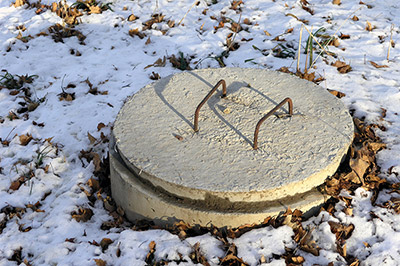
Before the inspector arrives, take a few simple steps to make the process smoother. Monitor the weather, and clear snow from access points, septic tank lids, and any visible leach field areas. Make sure walkways and driveways are safe and accessible. Gathering any system documents you have—like previous inspection reports or maintenance logs—will help your inspector get the full picture.
Staying Safe During an Inspection
Winter can make your yard slippery and hide hazards beneath the snow. Help your inspector by marking any areas where you know there are rocks, old structures, or other obstacles. Consider being home during the visit, especially for remote properties, to assist with access and answer questions.
Tips for Getting the Most Accurate Results
Ask Questions: Don’t hesitate to ask your inspector about any winter-specific limitations. For example, extremely cold weather can slow down certain tests or restrict access to some components. Keep Track of Photos and Reports: Request clear, time-stamped photos of uncovered areas and make sure you receive a thorough report—good records simplify future permitting or repairs.
Understand Soil Testing Challenges: If your property requires a soil evaluation, be aware that frozen ground may require special equipment or temporary soil coverings for best results.For more information, contact Morse Engineering and Construction.
