



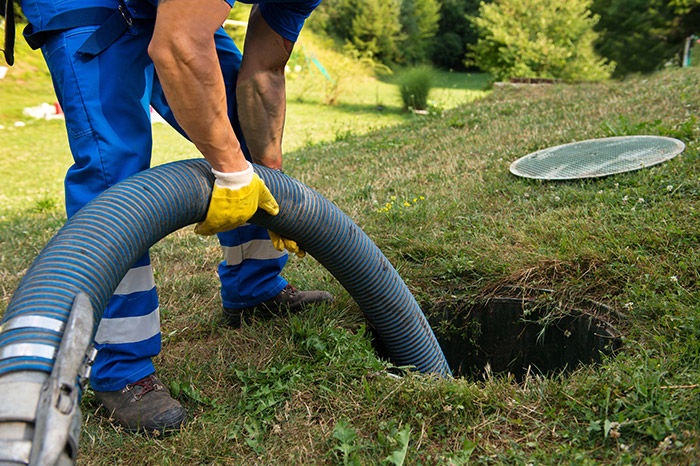
For homeowners with a septic system, fall is one of the best times of year to take a closer look at what is happening underground. The busy summer season is winding down, the ground is usually still accessible, and there is still time to address small issues before winter weather makes repairs more complicated.
A Septic Inspection Helps You Catch Problems Early
A septic system can show warning signs long before it becomes an emergency. Slow drains, soggy spots in the yard, odors, gurgling pipes, or unusually green grass near the leach field may all point to trouble. A fall inspection gives a qualified professional a chance to evaluate the tank, distribution components, and drain field before freezing temperatures arrive.
Fall Timing Can Make Maintenance Easier
After summer visitors, laundry loads, showers, and outdoor entertaining, your septic system may have worked harder than usual. Scheduling an inspection in the fall can help confirm that the system handled the extra use and identify whether pumping or maintenance is needed before winter.
It Helps Homeowners Plan Before Selling
In Massachusetts, many homes with septic systems are subject to Title 5 requirements when a property is sold. Planning ahead can reduce last-minute stress, especially if an inspection finds repairs are needed. Instead of discovering a septic issue right before closing, homeowners can use the fall season to understand the condition of the system and make informed decisions.
What to Expect During a Septic Inspection
During an inspection, the inspector may review records, locate system components, check access covers and cleanouts, evaluate visible conditions, and look for signs that the system is not working properly. Depending on the system and local requirements, pumping may also be part of the process.
How to Prepare for the Appointment
Before the inspection, gather any septic records you have, including pumping receipts, permits, plans, or prior inspection reports. Clear access to the tank area, keep vehicles and heavy items off the system, and make a note of any recent drainage issues, odors, backups, or wet spots in the yard.
Do Not Wait for an Emergency
Septic problems can become expensive and disruptive quickly, especially once the ground freezes or holiday guests increase water use. A fall inspection is a simple way to protect your home, your yard, and your budget before winter sets in.
Bottom Line
If your home has a septic system, fall is a practical time to schedule an inspection. You can catch problems early, prepare for a future sale, and make maintenance decisions while conditions are still workable. A little planning now can help prevent bigger headaches later.
For more information, contact Morse Engineering and Construction.
