



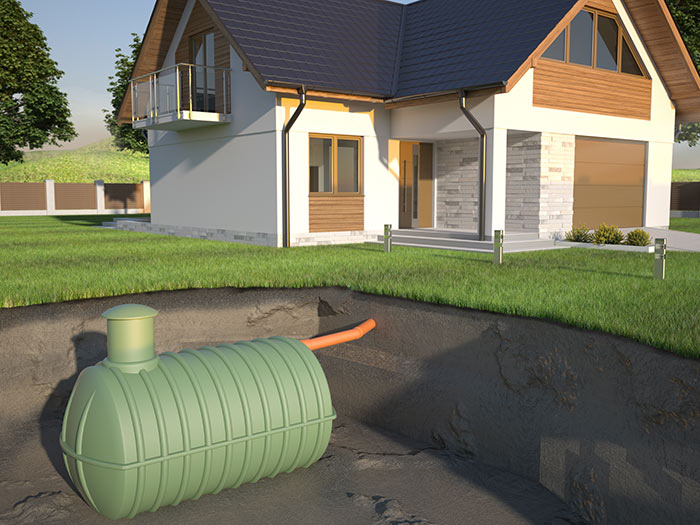
Why autumn can be an ideal season for site evaluation, permitting, and planning under Massachusetts Title 5 Fall is a practical time for Massachusetts homeowners to plan a new or replacement septic system. Cooler weather and the gap before winter can provide time for site evaluation, design, and local approvals.
Why Fall Is a Good Time to Start
Starting in fall gives designers, soil evaluators, and the local Board of Health time to review the property before frozen ground or busy spring schedules cause delays.
Designing Under Massachusetts Title 5
Massachusetts septic systems must follow Title 5 (310 CMR 15.000), which covers soil testing, design flow, setbacks, groundwater separation, construction, and inspection. The local Board of Health is usually the main approving authority, and local rules may add requirements.
What the Design Process Includes
- Review the property: Check lot boundaries, wells, wetlands, slopes, existing records, and expected wastewater flow.
- Evaluate the soil: Testing helps identify soil conditions, groundwater, and a suitable disposal area.
- Design and approve: A qualified professional prepares the layout and submits it to the local Board of Health before construction.
Fall Conditions to Keep in Mind
Heavy rain can saturate soil and increase compaction risk, while late-season cold may disrupt excavation and grading. Keep vehicles and stored materials off the proposed leach field and reserve area, and let the project team decide whether conditions are suitable.
Fall Septic Design Checklist
- Contact the local Board of Health before design work begins.
- Gather surveys, septic records, well information, and building plans.
- Hire professionals familiar with Title 5 and local regulations.
- Allow time for weather delays, permits, inspections, and final approval.
Plan Now for a Smoother Spring
Planning in the fall can reveal site constraints, reduce spring delays, and support better budgeting. Start with your local Board of Health and a qualified septic designer who understands Title 5. This article is for general information only. Site-specific design and regulatory decisions should be made with qualified professionals and the applicable local and state authorities.
For more information, contact Morse Engineering and Construction.
