



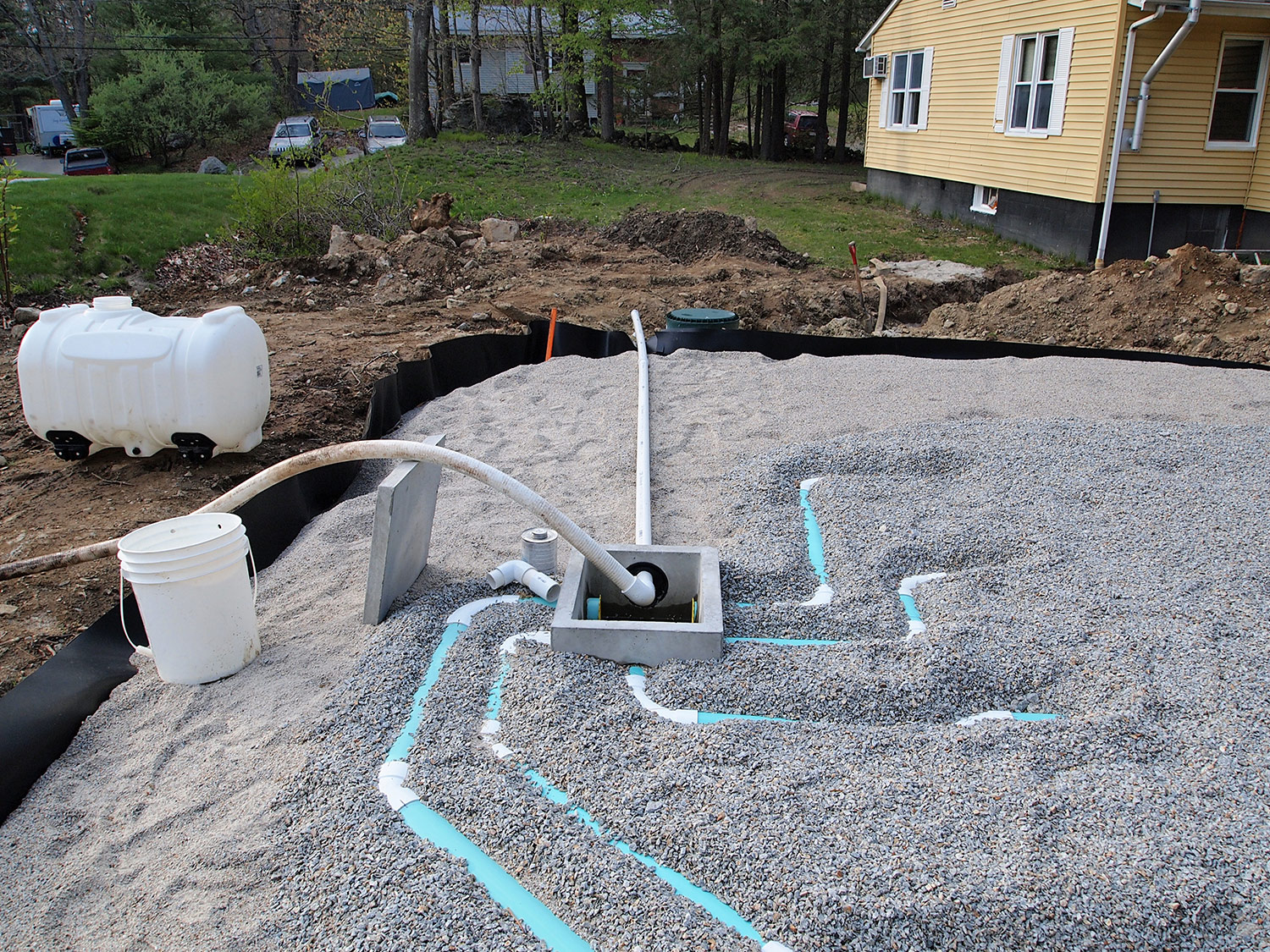
Lakefront homes come with beautiful views, easy water access, and unique site challenges—especially when a septic system needs to be evaluated, repaired, or replaced. Unlike a typical inland lot, a lakefront property may involve wetlands, high groundwater, slopes, tight access, mature landscaping, and stricter permitting requirements.
That is why successful septic site work starts long before equipment arrives. The goal is to create a reliable wastewater solution while protecting the lake, the property, and the homeowner’s investment.
Why Lakefront Septic Planning Is Different
Lakefront lots often have less usable space for septic components. The home, shoreline, driveway, wells, neighboring properties, wetlands, and steep slopes can all limit where tanks, pipes, pump chambers, and soil absorption areas can be placed.
Soil conditions are also critical. High groundwater, shallow bedrock, compacted soils, or saturated areas may affect system design and require raised systems, pressure distribution, advanced treatment, or other engineered solutions.
Start with Evaluation, Not Excavation
A professional site evaluation may include reviewing the existing septic plan, locating the tank and leach area, checking setbacks, evaluating access, identifying wetland resource areas, and coordinating required soil or percolation testing.
This early review helps prevent costly surprises. It can show whether the existing system is accessible, whether an upgrade is needed, whether the property has room for a reserve area, and which local approvals may be required.
Permits, Setbacks, and Conservation Review
Setbacks are a major part of septic planning near lakes, wetlands, wells, foundations, and property lines. In Massachusetts, Title 5 requirements and local rules may affect where septic tanks, treatment units, and soil absorption systems can be placed.
Lakefront projects may also involve conservation commission review, shoreland restrictions, erosion-control requirements, tree protection, and stormwater considerations. Homeowners should expect the site contractor, septic designer, engineer, and permitting authorities to coordinate before construction begins.
In Part 2, we will look at what happens once the project moves from planning to construction, including equipment access, erosion control, restoration, and long-term system protection.
For more information, contact Morse Engineering and Construction.
