



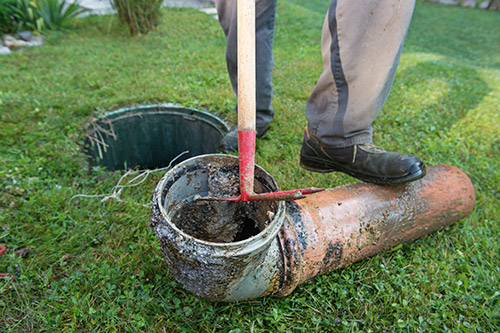
1. Your Drains Are Slow Throughout the House
One slow sink or shower may be a simple plumbing clog. But if multiple drains are slow at the same time—such as the kitchen sink, laundry drain, and downstairs bathroom—the problem may be connected to the septic system. Slow drainage throughout the home can indicate a full tank, a blocked outlet, a clogged distribution box, or a drain field that is no longer accepting wastewater efficiently.
2. Toilets or Drains Are Gurgling
Gurgling sounds from toilets, tubs, or sinks can be an early warning sign that wastewater is not moving freely through the system. The sound is often caused by trapped air or pressure changes in the plumbing line. If the noise happens regularly, especially when water is being used elsewhere in the house, it is worth scheduling an inspection before the issue becomes a backup.
3. You Notice Sewage Odors Indoors or Outdoors
A properly working septic system should not smell strongly around your home, tank, or drain field. Persistent sewage odors near drains, toilets, the septic tank lid, or the yard can point to a leak, venting issue, overloaded tank, or failing drain field. Odors are more than an inconvenience; they can signal that wastewater is not being treated or dispersed correctly.
4. Water Is Pooling or the Yard Feels Spongy
Standing water, wet spots, or unusually soft ground over the drain field can mean wastewater is surfacing instead of filtering through the soil. This is one of the more serious signs that you need a septic inspection. If the area is wet even when there has not been much rain, stop ignoring it. A saturated drain field can become a health hazard and may require prompt professional attention.
5. Grass Over the Drain Field Looks Too Green
A lush patch of grass may look harmless, but unusually green or fast-growing vegetation over the drain field can indicate excess moisture and nutrients from wastewater. This is especially concerning during dry weather, when the rest of the lawn looks normal or stressed. An inspection can help determine whether the system is leaking, overloaded, or failing to distribute effluent properly.
6. Sewage Is Backing Up Into the Home
If sewage backs up into a toilet, tub, shower, or floor drain, treat it as urgent. Stop using water in the house as much as possible and call a septic professional right away. Backups can expose your household to harmful contaminants and usually mean the system is unable to accept more wastewater. This is not the time for a wait-and-see approach.
7. It Has Been Years Since Your Last Inspection or Pumping
Even if everything seems fine, time matters. Septic systems need routine care to prevent solids from leaving the tank and clogging the drain field. If you do not know when the system was last inspected or pumped, or if the home has had heavier-than-usual water use, an inspection can establish a baseline and help you avoid preventable failure.
8. You Are Buying or Selling a Home
A septic inspection is especially important during a real estate transaction. Buyers want to know whether the system is functioning properly before committing to a property, and sellers can reduce surprises by addressing issues early. In Massachusetts, septic systems are governed by Title 5, and inspections are required in certain situations, including most property transfers. Local rules can vary, so homeowners should confirm requirements with the local Board of Health or a licensed septic inspector.
9. You Are Planning a Renovation or Adding Bedrooms
Major renovations can increase wastewater flow, particularly when you add bedrooms, bathrooms, laundry capacity, or living space. Because septic systems are designed around expected daily use, a system that worked for one household layout may not be adequate after an expansion. An inspection before the project can help you understand whether the current system can support the planned changes.
What Does a Septic Inspection Usually Include?
A professional septic inspection may include locating system components, checking the tank, reviewing sludge and scum levels, inspecting inlet and outlet baffles, looking for leaks or structural damage, evaluating the distribution box, and assessing the drain field for signs of saturation or failure. The inspector may also review maintenance records and note whether the system appears appropriately sized for the home.
Homeowners can do safe visual checks, such as watching for odors, wet areas, slow drains, and changes in grass growth. However, opening a septic tank, measuring solids, or diagnosing system failure should be left to trained professionals. Septic gases, wastewater exposure, and unstable covers can be dangerous.
When Should You Call a Professional?
Call a septic professional promptly if you notice sewage backup, standing water near the drain field, strong sewage odors, multiple slow drains, or repeated gurgling. You should also schedule an inspection before buying or selling a home, before major renovations, after flooding, or when maintenance records are missing. Acting early often gives you more repair options and can help prevent a full system failure.
You may need a septic inspection if your plumbing is slowing down, your yard is unusually wet or green, you smell sewage, you see backups, or you are approaching a sale, purchase, renovation, or long-overdue maintenance milestone. Septic problems rarely fix themselves. A timely inspection can protect your home, your budget, and the health of everyone who uses the property.
For more information, contact Morse Engineering and Construction.
