



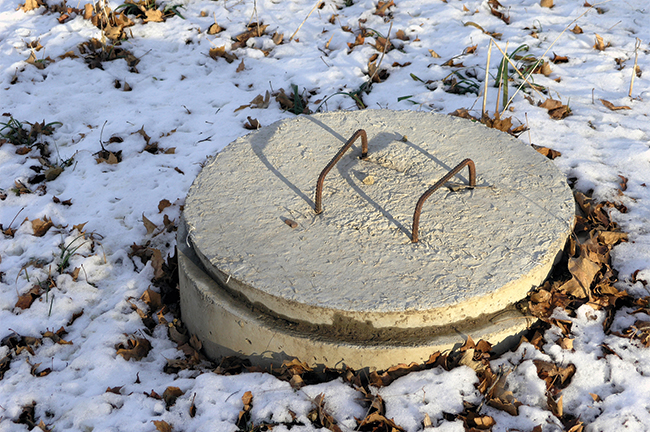
Prepare Your Home Before the Thaw
Spring in Massachusetts brings longer days, warmer temperatures, and—crucially—a rapid melting of winter’s snowpack. While the change in season is welcome, spring snowmelt can pose significant challenges for homeowners with septic systems. Is your system ready to handle the extra water and prevent costly problems?
Why Spring Snowmelt Matters for Septic Systems
As snow melts, the ground becomes saturated with water. This excess moisture can overwhelm your septic system’s drain field, reducing its ability to properly filter and disperse wastewater. If not addressed, this situation could lead to backups, slow drains, and even system failure.
Signs Your Septic System Needs Attention
- Gurgling sounds in toilets or drains
- Slow draining sinks, showers, or tubs
- Standing water or lush, green patches over the drain field
- Unpleasant odors near your septic tank or drain field
Steps to Prepare Your Septic System for Spring
- Inspect and Pump: Schedule a professional inspection and pump your tank if it’s due. Removing solids increases system capacity and prevents clogs.
- Divert Runoff: Ensure that downspouts and sump pumps direct water away from the drain field to minimize saturation.
- Limit Water Usage: Be mindful of your household’s water consumption during periods of heavy melt to reduce the load on your system.
- Check for Damage: Inspect for any winter damage to tank lids, risers, or pipes and repair as needed.
When to Call a Professional
If you notice persistent drainage issues or unusual odors, don’t wait—contact a licensed septic professional. Early intervention can prevent minor issues from becoming major repairs.
Preparing your septic system for spring snowmelt in Massachusetts is essential for maintaining a healthy, functioning home. With a bit of preventive maintenance, you can ensure your system weathers the thaw and keeps working smoothly all year long.
For more information, contact Morse Engineering and Construction.
