



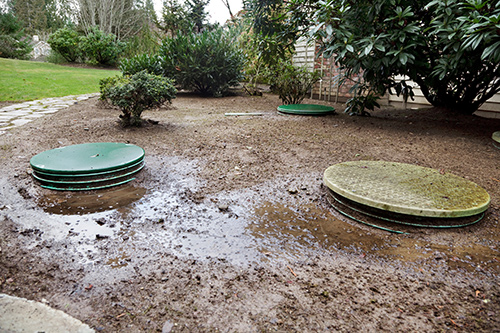
Replacing a septic system in Massachusetts can feel overwhelming, especially if the need comes after a failed Title 5 inspection, a home sale, an addition, or recurring system problems. Because septic work is regulated by Massachusetts Title 5 requirements and reviewed by the local Board of Health, choosing the right company early can help homeowners avoid delays, confusion, and costly mistakes.
Start With a Clear Replacement Plan
A septic replacement usually involves several steps: reviewing the inspection results, evaluating site conditions, confirming whether repairs or a full replacement are required, designing the new system, securing approvals, completing installation, and passing final inspection. Homeowners may need a licensed septic designer or civil engineer, an approved soil evaluator, an excavation contractor, and close coordination with the local Board of Health.
Look for Massachusetts Title 5 Replacement Experience
Title 5 governs how septic systems are inspected, repaired, upgraded, and replaced in Massachusetts. A company with strong replacement experience will understand how to work within local requirements, design around existing site limitations, and address factors such as soil conditions, groundwater, wetlands, wells, setbacks, bedroom count, and limited yard space. This experience is especially important when replacing an older system on an already developed property.
Ask the Right Questions Before Hiring
Before choosing a septic replacement company, ask who will review the failed inspection report, who will handle design and permitting, who will coordinate with the town, and whether the installer has completed similar replacement projects in your area. You should also request recent references, proof of insurance, a written scope of work, estimated timelines, payment terms, and a clear explanation of what is included in the quote.
Plan Around Timing, Permits, and Property Disruption
Septic planning should begin before site work starts. Soil evaluations, engineering, permit review, excavation scheduling, inspections, and weather can all affect the construction timeline. In some cases, a lot may require an alternative system, raised leach field, or additional approvals. Starting early gives your builder and septic team time to solve issues before they slow down framing, utilities, landscaping, or occupancy.
For more information, contact Morse Engineering and Construction.
