



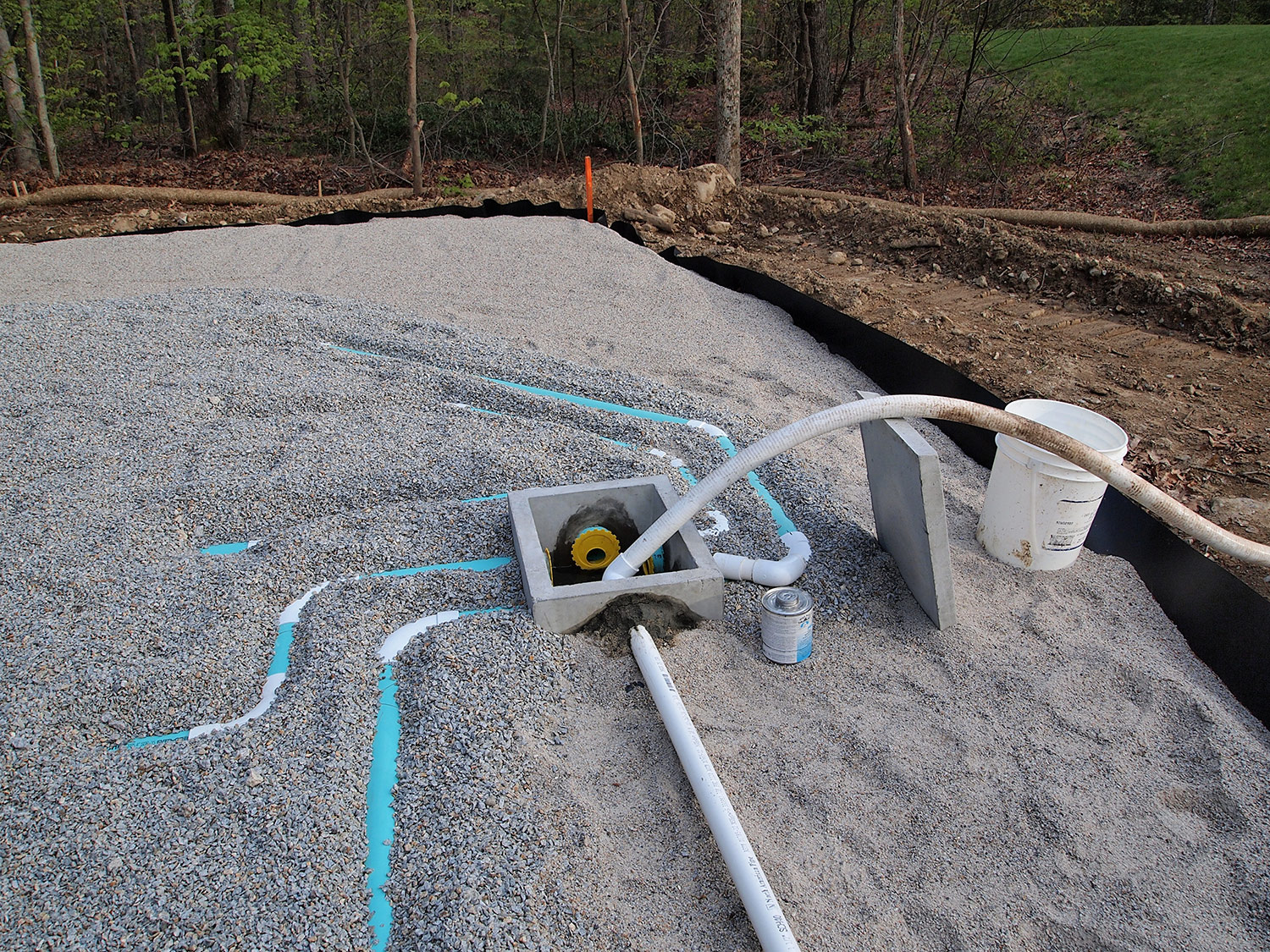
Essential Preparation Tips for a Smooth and Successful Project
As spring approaches in Massachusetts, homeowners and contractors alike begin to turn their attention to critical outdoor projects. Among the most important is septic site work—a task that requires careful planning, adherence to regulations, and timely execution. Whether you’re installing a new system, replacing an aging one, or simply conducting maintenance, a little preparation goes a long way to ensuring your septic project runs smoothly.
1. Understand Local Regulations and Permitting
Septic systems in Massachusetts are subject to strict codes and environmental guidelines. Before breaking ground, familiarize yourself with Title 5 regulations and check with your local Board of Health. Permits are usually required, and the approval process can include site evaluations, soil testing, and reviewing your project plans. Early attention to paperwork prevents delays once you’re ready to begin.
2. Schedule a Site Survey and Soil Test
Spring thaw is ideal for performing site surveys and perc tests. These tests determine whether your soil can support a septic system and influence the design and placement of the leach field. Hiring a licensed engineer or septic contractor for this step ensures accuracy and compliance with local standards.
3. Choose a Qualified Contractor
Massachusetts mandates that installers and engineers be properly licensed. Seek referrals, check credentials, and review previous work to make sure you’re hiring a reputable professional. Experienced contractors can navigate permitting, suggest system upgrades, and help anticipate challenges unique to your property.
4. Plan Around the Weather
Spring in MA often brings unpredictable weather, from heavy rains to lingering frost. These conditions can impact excavation, installation, and the curing time of materials. Build flexibility into your project schedule and monitor forecasts closely to avoid costly setbacks.
5. Protect Your Property
Site work can disrupt landscaping, driveways, and nearby structures. Before work begins, mark utilities, clear debris, and communicate with your contractor about protecting trees, gardens, and fences. Consider temporary fencing or signage to keep children and pets safe during construction.
6. Budget for the Unexpected
Septic projects can uncover surprises—hidden ledge, high water tables, or outdated systems. Leave room in your budget for unforeseen expenses, and discuss contingency plans with your contractor in advance. Being financially prepared ensures you can address issues without derailing the project.
7. Prepare for Inspection and Final Approval
Once the work is complete, an inspection by the local Board of Health is required. Keep all documentation, receipts, and as-built plans ready for review. Passing inspection is the last step before your system can be officially used, so attention to detail is crucial.
This spring, approach septic site work with diligence and foresight. By understanding local requirements, partnering with experienced professionals, and planning for the unpredictable, you’ll set your project up for lasting success and peace of mind. Massachusetts’ beautiful landscapes deserve careful stewardship—starting right beneath your feet.
For more information, contact Morse Engineering and Construction.
